
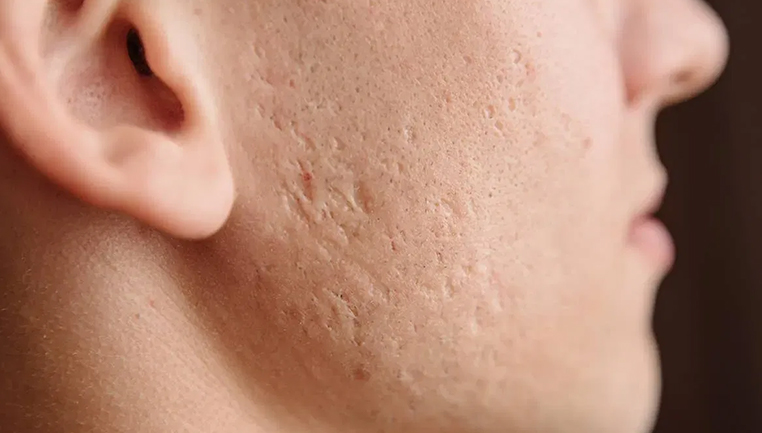
Acne scars might seem like acne never left you. The breakouts may be gone, but the dents, markings, or rough patches remain. That may be disturbing, particularly if cosmetics don’t cover them properly. Many people also feel unsure about what helps. Some products fade dark marks, but deeper scars often need more care. So, the first question is fair: are acne scars permanent? Some scars can last for years, yet many can look softer with the right plan. Perfectly Calibrated LLC offers gentle skin care options that support daily care while the skin recovers. This blog explains scar types, fading steps, office treatments, and ways to protect skin before new marks form.
Why Some Marks Fade And Some Stay
Not every spot after acne is a true scar. Some marks are flat and only show a color change. These may look red, brown, or purple. They often fade over time, with sun exposure and with steady products. A true scar changes skin texture. It may leave a small pit, a wide dent, or a wavy area. This happens when swelling damages deeper skin during a breakout. The body tries to repair it, but the new skin may not match the old surface. That is why post acne marks treatment is different from scar care. Marks can fade faster than dents. So, when people ask how to remove acne scars, the answer depends on what kind of scar they have.
The Main Types People Notice
Acne scars can look different from person to person. Some are tiny and deep. Some are wide with sharp sides. Others make the skin look uneven in soft waves. Knowing the type helps people choose the right next step.
- Ice pick scars look narrow and deep, almost like tiny holes.
- Boxcar scars look wider, with clearer edges.
- Rolling scars make the skin look uneven or dipped.
- Dark marks are flat color changes, not deep scars.
- Raised scars sit above the skin and may feel firm.
Because each type forms differently, no single product can fix all scars. This is why ice pick scars treatment, boxcar scars treatment, and rolling scars treatment often need different plans.
What Daily Skin Care Can Really Do
Skin care can help, but it has limits. It can help smooth skin, fade flat marks, and protect new skin. However, it cannot fully lift deep dents by itself. A gentle acne scar removal skincare plan should start with less irritation. Wash your face with a mild cleanser, then apply a moisturizer that doesn’t feel heavy. Sunscreen matters every morning because the sun can make dark marks last longer. This is also part of skin repair after acne, since healing skin needs care, not harsh scrubbing. Perfectly Calibrated LLC carries face cleansers, facial serums, face creams, toners, and masks that can fit a steady routine. The goal is daily support while deeper scars get the right help.
Useful Product Roles For A Scar-Fading Routine
A routine works better when each product has a simple job. A cleanser removes oil and sweat. A serum can support hydration or tone. A cream helps reduce dry, tight skin. A mask can add weekly care when the skin feels ready. Perfectly Calibrated LLC offers several product types that can fit this kind of plan.
| Routine Step | Product Type | How It Supports The Routine |
| Cleanse | Clarifying Blue Tansy Cleanser | Helps start with clean skin |
| Cleanse | Turmeric Cleanser | Fits a gentle wash step |
| Hydrate | Hyaluronic Acid Serum | Adds light moisture support |
| Moisturize | Goat Milk Face Cream | Helps soften dry-feeling skin |
| Weekly care | Papaya Enzyme Gel Mask | Fits a careful weekly mask step |
Add one new item at a time. Then watch how skin responds before adding another.
Ingredients People Often Ask About
Some ingredients can help flat marks look better with steady use. Vitamin C for acne scars is often used to treat dark spots and dull-looking skin. It can support a more even look, especially when paired with sunscreen. Retinol for acne scars may help skin renew over time, but it can cause dryness at first. So, start slowly and avoid using too many strong products together. An acne mark fading routine should feel calm, not painful. Cleanse, treat, moisturize, and use sunscreen in the morning. That simple order helps people stay consistent. It also helps reduce the guesswork. If skin burns, peels badly, or swells, stop the product and ask a skin care professional for help.
Home Care That Does Not Make Scars Worse
People often search for home remedies for acne scars, but not all are safe. Lemon juice, baking soda, and rough scrubs can irritate skin. They may also make dark marks worse. A safer home plan is gentle and steady.
- Do not pick, squeeze, or scratch healing pimples.
- Use sunscreen every morning, even on cloudy days.
- Keep the routine short when skin feels sore.
- Avoid harsh scrubs on active acne.
- Change pillowcases often during breakout weeks.
These steps will not erase deep scars overnight. Still, they help protect healing skin. They also support how to prevent acne scars before new breakouts leave marks.
Office Treatments For Deeper Texture
Deeper scars usually need professional care. Dermatologists may use lasers, peels, microneedling, fillers, or minor procedures. The right choice depends on scar type, skin tone, health history, and budget. Laser treatment for acne scars can smooth the texture and help the skin build new support. Microneedling for acne scars uses tiny controlled injuries to stimulate collagen production. A chemical peel acne scars plan can help even out tone and reduce some shallow texture. However, deeper scars may need more than one method. That is why the best treatment for acne scars is often a mix of tools, not a single tool. A trained professional can also lower the risk of burns, dark spots, and poor healing.
Can Scars Be Removed For Good?
Many people ask whether dermatologists remove acne scars permanently. The honest answer is that scars can often improve a lot, but complete removal is not always possible. Some scars soften, fill in, or become harder to see. Others may need repeat care. A dermatologist acne scar treatment plan may combine several visits because skin repairs slowly. Results also depend on scar age, scar depth, and the rate of skin healing. So, are acne scars permanent? Some texture can remain, but it doesn’t need to be as visible. This is why early care matters. Treating acne before it becomes severe can reduce the risk of long-term scarring.
How Long Does Fading Usually Take
Scar care takes time. Flat red or brown marks may fade over months, especially with sunscreen and steady care. Deeper texture often takes longer because collagen changes slowly. This is why acne scar healing time can vary so much. A mild mark may improve in weeks or months. A deeper dent may need several office treatments over a longer period. People who want to know how to fade acne scars fast should be careful about quick claims. Fast steps can irritate the skin if they are too strong. A better goal is steady progress. Take photos once a month under the same lighting conditions. That makes small changes easier to see without having to check the mirror all day.
A Plan To Stop New Scars
The best scar plan also prevents new scars. Acne that becomes deep, painful, or long-lasting is more likely to leave texture. So, treat active acne early. Also, protect pimples while they heal.
- Use acne care before spots become large and sore.
- Avoid picking, as it can deepen the damage.
- Keep nails away from scabs and healing bumps.
- Use moisturizer when treatments make the skin dry.
- See a dermatologist if acne is painful or scarring.
These steps help lower risk. They also support smoother healing after each breakout. Prevention often costs less time and stress than scar repair later. So, are acne scars permanent? Some scars may not fully heal on their own, but many can look better with the right care. Perfectly Calibrated LLC offers skin care products that can support daily routines as the skin heals.
FAQs
Are acne scars permanent?
Some acne scars can be long-lasting, especially deep dents or raised scars. However, many scars can look softer with treatment. Flat dark marks often fade with time and sun care. When people ask are acne scars are permanent, the best answer depends on scar type, depth, and treatment.
Can acne scars go away naturally?
Flat marks may fade naturally over months, especially if the skin is protected with daily sunscreen. True texture scars are less likely to disappear on their own because deeper skin has changed. They may soften a little over time, but many people need professional care for greater improvement.
What is the fastest way to remove acne scars?
The fastest safe option depends on the scar. A dermatologist may suggest laser, microneedling, peels, fillers, or a mix of treatments. Quick home fixes can irritate skin or worsen marks. For deep scars, professional care is usually faster than guessing with random products.
Does microneedling work for acne scars?
Yes, microneedling can help some acne scars, especially certain depressed scars. It works by creating tiny, controlled injuries that stimulate collagen production. Results take time and often need several sessions. It should be done by a trained professional because unsafe tools can cause infection or more scarring.
Can dermatologists remove acne scars permanently?
Dermatologists can often make acne scars much less visible, but full removal is not always possible. Some scars need more than one treatment. Results depend on scar type, skin tone, and healing response. A dermatologist can build a safer plan than the at-home trial-and-error approach.
Is laser treatment effective for scars?
Laser treatment can be effective for many acne scars. It may improve texture, tone, and skin smoothness over time. However, it is not right for everyone. Skin tone, scar type, and healing risk matter. A dermatologist can determine whether laser care is a safe option.
Can vitamin C fade acne scars?
Vitamin C may help fade dark marks left after acne. It can help achieve a brighter, more even look, especially with sunscreen. However, it will not fill deep dents. Use it slowly if skin is sensitive, and stop if it causes burning, swelling, or strong irritation.
How long do acne scars take to heal?
Healing time depends on the mark. Flat color marks may fade over several months. Deep scars may last much longer and often need office treatments. Most plans need patience because skin changes slowly. Monthly photos can help track progress better than daily mirror checks.
Can acne scars be removed?
Acne scars can often be improved, but not always fully removed. Flat marks respond better to skin care than deep texture scars. Dermatologists may use lasers, peels, microneedling, fillers, or other methods. The best plan depends on the scar and the person’s skin.
How do I prevent acne scars?
Treat acne early, especially deep or painful bumps. Do not pick, scratch, or squeeze spots because this can damage deeper skin. Use sunscreen to protect healing marks. Also, keep the skin moisturized when using acne treatments. If acne starts scarring, see a dermatologist.