
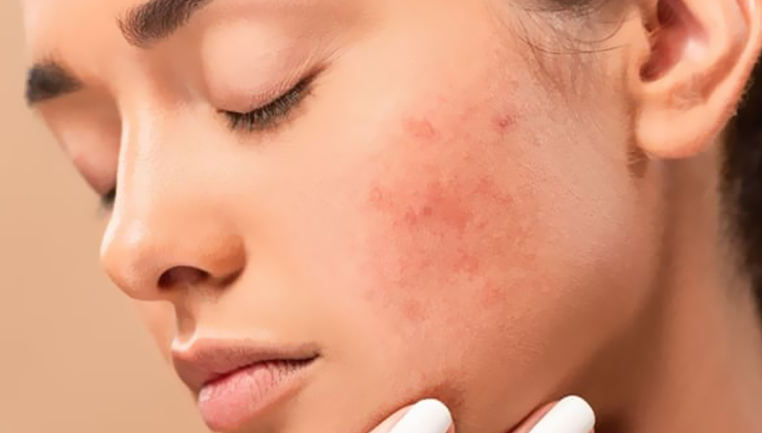
Hormonal acne may seem personal since it typically appears at the worst possible moment. Skin might seem quiet for days, then painful lumps appear around the chin or jaw. This may be pre-period, or at stressful times, or after a week of bad sleep. Many attempt harder scrubs or additional products, but the skin just may feel worse. That’s because the issue frequently begins with oil, blocked pores, and changes in hormones. Perfectly Calibrated LLC offers face and body care products for everyday use, including cleansers, creams, serums, toners, and masks. This blog explains how to prevent hormonal acne with clear steps, gentle care, and habits that support calmer skin over time.
Why These Breakouts Feel So Stubborn
Hormonal acne is not just “dirty skin.” It often starts when oil glands get a stronger signal from hormone changes. When that happens, the skin can make more oil than it needs. Then, dead skin can mix with that oil and block a pore. Once the pore gets blocked, swelling and bacteria can make the spot red, sore, or deep. This is why hormonal acne causes can feel so hard to control with washing alone. Many adults deal with this, too, even if they had clear skin as teens. For many women, female hormonal acne causes may include period changes, pregnancy changes, midlife changes, or stopping certain birth control. So, the better plan is not harsh scrubbing. The better plan is steady care.
What Can Make It Flare
A flare can come from more than one trigger. Sometimes it is the period. Other times, it is stress, food, sleep, or a product that is too heavy. Because these triggers can overlap, a breakout may not have a single clear cause. That is why tracking helps.
- Stress can make the body feel more tense, and the skin may react.
- Poor sleep can make breakouts feel harder to calm.
- Heavy creams or makeup may trap oil for some people.
- Picking can turn one spot into a longer mark.
- New products can irritate skin when used too often.
These triggers do not affect everyone in the same way. However, they can add up during a busy week. So, small changes often help more than one big change.
Food, Sugar, and Skin Changes
Food does not cause every pimple, and no one should feel blamed for acne. Still, food can affect some people. A smart diet for hormonal acne often starts with foods that don’t spike blood sugar quickly. Sweet drinks, candy, white bread, and many packaged snacks can raise blood sugar quickly. That might change insulin and oil for certain individuals. Dairy may also irritate some skin types that are acne-prone, although not everyone is the same. Instead of chopping everything out, notice patterns. If breakouts happen a lot after the same meals, it is good information. Try extra oats, beans, eggs, salmon, lean meat, nuts, fruits, veggies. Drink extra water when feasible. These options will nourish the body and may also help to provide steadier skin.
A Calm Routine Is Usually Better
A good routine should not leave the face tight or burning. Skin that feels stripped may make more oil or look redder. Start with a gentle cleanser. Then add one treatment product if the skin can handle it. After that, use a moisturizer, even if the skin feels oily. In the morning, sunscreen also matters because dark marks can last longer in the sun. This kind of hormonal acne skincare routine works best when it stays simple. Perfectly Calibrated LLC has face cleansers, face moisturizers, facial serums, toners, masks, and sensitive skin options that can fit this kind of daily plan.
Keep the order simple
Cleanse first, then treat, then moisturize. In the morning, add sun care last. When the order stays clear, the routine feels easier to keep. Also, it helps you see what works.
Product Types That Fit The Plan
Not every product needs to be strong. A product should have one clear role. A cleanser removes sweat, oil, and makeup. A serum can add light support. A cream helps reduce dryness. A mask can support weekly care when the skin is not already upset. Here are product types from the brand’s product range that can support a simple routine.
| Step | Product Type | How It Fits Daily Care |
| Cleanse | Clarifying Blue Tansy Cleanser | Helps start with clean skin |
| Cleanse | Turmeric Cleanser | Fits a gentle face wash step |
| Hydrate | Hyaluronic Acid Serum | Helps add light moisture |
| Moisturize | Goat Milk Face Cream | Helps soften dry-feeling skin |
| Weekly care | Papaya Enzyme Gel Mask | Works as a once-weekly mask step |
Try one new product at a time. Then give skin a few weeks before adding more.
Planning Care Around The Monthly Cycle
Many people notice breakouts before a period. This is where menstrual acne prevention can help. Instead of waiting for a painful bump, start calmer care a few days before the usual flare. Keep the routine steady. Avoid testing new products that week, as the skin may already be more reactive. Also, write down where spots appear and when they start. After two or three cycles, patterns become easier to see. This helps explain acne cycle hormonal changes without guessing. If the chin or jaw breaks out at the same time each month, timing matters. Then care can start earlier. This does not stop every spot, but it can reduce panic and help the skin heal faster.
Natural Care Without Going Too Far
Many people search for natural hormonal acne treatment because strong products can sting or dry the skin. Gentle care can help, but natural products still need care. Some scrubs can be too rough. Some oils can feel too heavy. Also, using too many “natural” items at once can still irritate the skin. Better care starts with fewer steps.
- Use a gentle cleanser instead of a rough scrub.
- Patch test new products on a small area first.
- Avoid mixing too many active products.
- Stop any product that burns or causes swelling.
- Give a product time before judging it.
Perfectly Calibrated LLC uses ingredients such as tallow, goat milk, botanicals, and active ingredients across its product line. These can support a softer skin care plan when used with patience.
Sleep, Stress, and Daily Habits
Skin often reacts when the whole body feels worn out. That is why sleep and hormonal acne matter together. A bad night does not always cause a breakout, but repeated poor sleep can make it harder to calm the skin. Stress can also lead to skipped washing, face touching, and late-night snacking. So, the skin may face several problems at once.
- Try to sleep and wake around the same time most days.
- Change pillowcases often, especially during breakout weeks.
- Remove makeup before bed, even when tired.
- Take short walks to help lower daily stress.
- Keep your hands off sore spots as much as possible.
These steps are simple but help reduce excess pressure on the skin. They also make acne care easier to track. A basic hormonal acne treatment may include over-the-counter acne care, such as salicylic acid, benzoyl peroxide, or adapalene. Some people may need hormonal imbalance acne treatment, especially if acne comes with irregular periods or other hormone signs. This can be part of a plan to treat hormonal imbalance acne when surface care is not enough.
Give treatment enough time
Most acne care does not show full results in one week. Many plans take 4 to 8 weeks to show a clear change. If skin gets worse fast, stop and ask for help.
What About Vitamins And Extras?
People often ask about supplements for hormonal acne because they want support from the inside. Common choices include zinc, omega-3 fatty acids, vitamin D, probiotics, and inositol. Some people may benefit from them, but they are not a sure fix. Also, supplements can interact with medications or affect health conditions. So, it is safer to ask a doctor first, especially during pregnancy or while taking prescriptions. A blood test may show if something is low. That is better than guessing. Food, sleep, steady skin care, and stress control should still come first. Then supplements can be added with care if they make sense. The goal is not to take more pills. The goal is to support the body safely.
Making A Plan That Feels Real
The best adult hormonal acne solutions are usually steady, not extreme. Start with a short routine and keep it for several weeks. Track the cycle, sleep, stress, food, and product changes. If a flare starts at the same time each month, prepare early. If acne persists or becomes deep or painful, ask a doctor about a hormonal skin imbalance. Also, be kind to yourself during the process. Acne can affect mood, photos, work, and social plans. That matters. Still, clearer weeks can happen with the right mix of care. Use hormonal acne prevention tips that fit normal life, not a routine you will quit in three days. This is the most useful way to learn how to prevent hormonal acne over time.
Hormonal acne can be stubborn, but it is not hopeless. It often requires a plan that looks beyond the face. Food, sleep, stress, cycle timing, and product choices can all matter. Some people also need medical help, and that is normal. The main goal is to prevent new clogged pores, protect the skin barrier, and calm inflammation before it worsens. A simple routine can help, especially when used long enough to judge fairly. Perfectly Calibrated LLC offers skincare options that can fit into daily face and body routines. With patience and the right steps, how to prevent hormonal acne becomes less confusing and much easier to manage.
FAQs
What causes of hormonal acne?
Hormonal acne often starts when hormone shifts lead to more oil in the skin. That oil can mix with dead skin and block pores. Then bacteria and swelling may create sore pimples. Periods, stress, pregnancy changes, and some health conditions can also play a role.
Why does acne appear on chin and jawline?
The chin and jaw are common areas for hormone-linked breakouts. Oil glands in this area may react strongly to hormone shifts. Many people see bumps there before a period or during stress. Touching the face, phone contact, or heavy products can also make it worse.
Can diet affect hormonal acne?
Yes, diet can affect hormonal acne for some people. High-sugar foods and drinks may raise blood sugar quickly, which can affect oil. Dairy may also bother some acne-prone skin. However, triggers vary, so it helps to track food and breakouts for patterns.
How do I prevent hormonal breakouts?
Start by learning when breakouts happen. Then keep skin care steady before that time. Cleanse gently, moisturize, avoid picking, and add treatment slowly if needed. Also, support sleep, stress control, and balanced meals because these habits can help reduce flare-ups.
Is hormonal acne permanent?
Hormonal acne is not always permanent. Many people improve with steady care, lifestyle changes, and medical support when needed. However, it can last for months or years if the trigger remains. Painful, deep, or scarring acne should be checked by a dermatologist.
Can stress trigger hormonal acne?
Stress can trigger or worsen acne for some people. It may affect hormones, oil, sleep, and daily habits. During stress, people may touch their face more or skip routines. This can make breakouts harder to calm, especially around the chin and jaw.
What foods make hormonal acne worse?
Foods that raise blood sugar fast may worsen acne in some people. These include soda, candy, white bread, sweet cereal, and many packaged snacks. Some people also react to milk or whey. Still, each person is different, so patterns matter more than guesses.
Can skincare cure hormonal acne?
Skin care can help control oil, clogged pores, dryness, and swelling. However, it may not cure hormone changes by itself. A good routine can reduce breakouts, but deeper acne may need medical care. The best results often come from steady care and support.
How long does hormonal acne last?
Hormonal acne can last a few weeks, months, or longer. It depends on the cause, routine, and whether medical care is needed. Many treatments need four to eight weeks before clear change appears. Deep acne may take longer, so patience is important.