
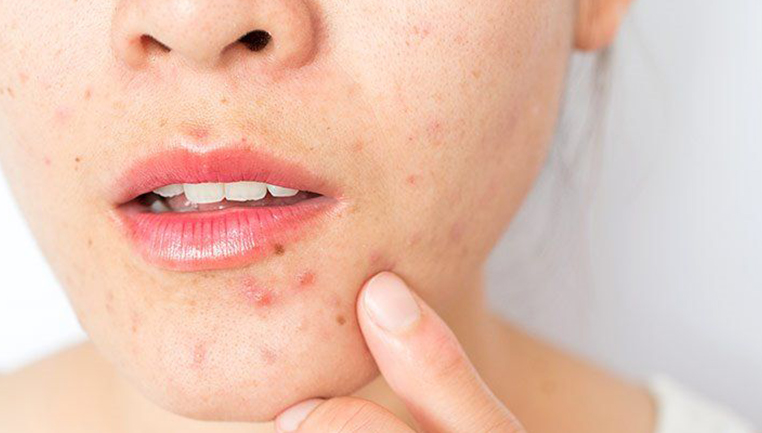
Adult acne hits differently. You are no longer a teen, yet a sore bump appears before work. Then another one appears near your chin. You wash your face, change your pillowcase, drink more water, and still feel stuck. So, the question why am I getting acne as an adult feels real. It is not just about looks. It can affect mood, comfort, and confidence. Breakouts can come from oil, clogged pores, stress, sleep, hormones, food patterns, or products. Also, adult skin can be dry and acne-prone at the same time. That makes care confusing. Perfectly Calibrated LLC offers small-batch skin, body, and hair care products for simple daily routines. We focus on natural ingredients and easy steps, so skin care feels easier to keep up with.
Adult Acne Can Show Up Even After Clear Years
It feels strange when skin changes after years of being calm. One month, everything seems fine. Then the next month, breakouts keep showing up. That is why sudden acne in adulthood can feel so frustrating. It often makes people blame the last thing they used or ate. Sometimes that is true. Many times, it is only part of the story. Acne forms when pores become blocked by oil and dead skin cells. Then bumps can build under the surface. Some are small. Some are sore and slow to fade. The adult acne causes are often mixed. Hormones may shift. Stress may rise. Sleep may drop. A new cream may feel too heavy. So, the answer is rarely one simple thing.
Hormones Often Leave Clues On The Face
Hormones can push oil glands to make more oil. Then pores can clog faster, especially on the lower face. This is why hormonal acne in adults often appears around the chin, mouth, or jaw. Some bumps feel deep, sore, or hard to leave alone. Many notice jawline acne in adult skin near a period, during stress, or after a body change. The adult acne hormones explanation is simple at the start. Hormones affect oil. Oil can mix with dead skin. Then the pores get blocked. Still, the reason behind hormone shifts can vary. For some, adult hormonal imbalance acne may need a doctor’s care, especially if breakouts are painful or keep coming back. Skin care can support the skin, but it cannot fix every hormone concern.
Why Lower-Face Breakouts Stand Out
Chin and jaw breakouts often get noticed fast because they feel sore. They also sit where hands, phones, masks, and hair products can come into contact with the skin.
When To Pay Closer Attention
If acne follows a monthly pattern, write it down. That small note can help you understand what your skin is doing.
Your Week May Be Showing On Your Skin
Stress has a way of sneaking into the skin routine. A busy week can mean less sleep, skipped washing, more coffee, and more face touching. That does not mean stress is the only cause. Still, stress acne causes can show up when the body feels overloaded. The sleep and acne relationship also matters. Poor sleep can leave the body feeling off. Then the skin may look tired or react more quickly. Acne can also make sleep worse because worry keeps the mind busy. It becomes a loop. The goal is not to live a perfect life. The goal is to cut down on small things that keep feeding breakouts.
A few simple moves can help:
- Wash your face before bed, even on tired nights.
- Keep hands away from sore spots.
- Change pillowcases often.
- Rinse sweat off soon after exercise.
Food And Products Can Be Sneaky
One person may notice breakouts after certain foods. Another person may eat the same food with no skin change. The diet and adult acne connection is not the same for everyone. So, it helps to watch patterns for a few weeks. Do not cut everything out at once. That only makes life harder. Products can also cause problems. A heavy face cream may feel nice at night, then clog the skin by morning. Hair oils, makeup, sunscreen, and sweat can also sit on the skin. Adult skin makes this tricky because it may feel dry after washing but oily by lunch. So, harsh cleansing is not always the answer. A gentle routine often gives the skin a better chance to settle.
Keep The Routine Boring Enough To Follow
A strong adult acne skincare routine does not need to feel fancy. In fact, a boring routine can be better. Wash the face. Add light care. Moisturize if the skin feels dry. Then give it time. When too many products go on at once, it’s hard to know which helped or hurt. Perfectly Calibrated LLC offers product groups for simple daily care, including facial cleansers, toners, face masks, facial serums, moisturizers, lip care, and hair and scalp care. The point is not to use everything. The point is to choose what makes sense for the skin that day.
| Skin Concern | Product Group That Can Fit A Simple Routine |
| Oil and daily buildup | Facial cleansers |
| Light after-wash care | Toners |
| Dry-feeling skin | Face moisturizers |
| Extra care step | Facial serums |
| Weekly face care | Face masks |
| Hairline or scalp buildup | Hair and scalp care products |
Treatment Should Not Feel Like Punishment
Acne can make people want fast answers. That is when strong scrubs and too many products enter the routine. Most of the time, that only leaves skin more upset. A better adult acne treatment plan starts slow and stays steady. Some products take weeks for the skin to look different. If acne is deep, painful, or leaves marks, it is time to ask a doctor. That does not mean home care has failed. It means the skin may need more than daily care. For stress-related flare-ups, stress induced acne treatment should include simple skin steps and better daily habits. Perfectly Calibrated LLC keeps care simple because most people need a routine they can repeat, not one they quit after four days.
Helpful adult acne natural remedies can include:
- Washing gently.
- Removing makeup before sleep.
- Cleaning pillowcases.
- Avoiding picking.
- Use lighter products when skin feels clogged.
Why Acne Comes Back After 25
One of the most annoying parts of adult acne is the comeback. Clear skin can last for years, then change without warning. That is why acne returns in adulthood is such a common worry. The phrase acne after 25 causes often points to a mix of stress, hormone shifts, sleep changes, new products, and lifestyle changes. For women, female adult acne causes may include monthly cycles, pregnancy, menopause, or other body changes. Men can get adult acne, too. Shaving, sweat, oil, and products can all contribute. If breakouts keep returning in the same area, that can be useful information. If they flare around the same time each month, that matters too. Skin often gives clues before it gives answers.
Small Prevention Steps Add Up
There is no perfect way to stop every breakout. Still, small habits can lower the chance of clogged pores. Good adult acne prevention tips should feel realistic. If a tip is too hard to keep, it will not help for long. Start with the basics. Wash off makeup—clean sweaty skin. Keep hair products away from the face. Try not to pick. Also, give new products time before adding more. This makes it easier to see what works. When a breakout appears, do not treat the whole face like it failed. Skin changes. Weather changes. Stress changes. So the routine may need small changes too.
Try these simple habits:
- Keep towels and pillowcases clean.
- Wash after heavy sweat.
- Avoid touching the face often.
- Use fewer products at once.
- Track breakouts for patterns.
A Calmer Way To Think About Adult Acne
Adult acne can happen because skin, hormones, stress, sleep, food patterns, and products all change over time. The question why am I getting acne as an adult can feel personal, but it is not a failure. Some triggers are easy to spot. Others take time. So, start with the things you can control. Keep the routine simple. Stop picking. Wash at night. Watch patterns. Then get medical help if acne hurts, spreads, or leaves marks. Perfectly Calibrated LLC helps people keep daily care easier with small-batch skin, body, and hair care products. We focus on simple care that fits normal days. Adult skin does not need panic. It needs steady care, patience, and the right support when breakouts keep coming back.
FAQs
Why am I suddenly getting acne as an adult?
Adult acne can appear suddenly when hormones, stress, sleep, products, sweat, or dietary patterns change. Sometimes the trigger is clear. Other times, it takes tracking. If acne is painful, spreads quickly, or leaves marks, a doctor can help find the safest plan.
Is adult acne hormonal?
Yes, adult acne can be hormonal, especially when breakouts sit near the chin, mouth, or jaw. Hormones can affect oil production, leading to clogged pores. Still, stress, sleep, products, sweat, and diet patterns can also play a part in adult breakouts.
Can stress cause acne in adults?
Stress can make acne worse for some adults. It can affect sleep, habits, and how often someone touches or picks at their skin. Stress may also contribute to changes in the body that affect oil. A steady routine and better rest can help reduce flare-ups.
Does diet affect adult acne?
Diet may affect acne for some adults, but triggers are not the same for everyone. It helps to track meals and breakouts for a few weeks. Avoid cutting too many foods at once. If patterns keep showing up, a doctor can offer better guidance.
Can adult acne go away permanently?
Adult acne can improve a lot, and some people stop getting breakouts. However, it can return when hormones, stress, sleep, products, or routines change. A steady routine can help reduce flare-ups, but deep or long-lasting acne may require medical care.
How do I treat adult acne naturally?
Start with simple habits. Wash gently, remove makeup, clean pillowcases, avoid picking, and use lighter products if skin feels clogged. These steps can support mild breakouts. However, painful, deep, or stubborn acne should be checked by a doctor.
Is adult acne different from teenage acne?
Adult acne can feel different because it often appears on the chin, jaw, or lower face. It may feel deeper and come back in cycles. Teenage acne often affects oilier areas, too. Both types can involve clogged pores, excess oil, dead skin cells, and swelling.
What triggers adult acne?
Common triggers include hormonal shifts, stress, poor sleep, sweating, heavy products, makeup, hair products, and certain food patterns. Triggers vary from person to person. That is why tracking breakouts, products, and daily changes can help find useful clues.What is the best treatment for adult acne?
The best treatment depends on the type, skin type, and severity of acne. Mild acne may improve with gentle daily care and patience. However, deep, painful, or stubborn acne often needs medical support. A good plan should help acne without leaving skin raw.